
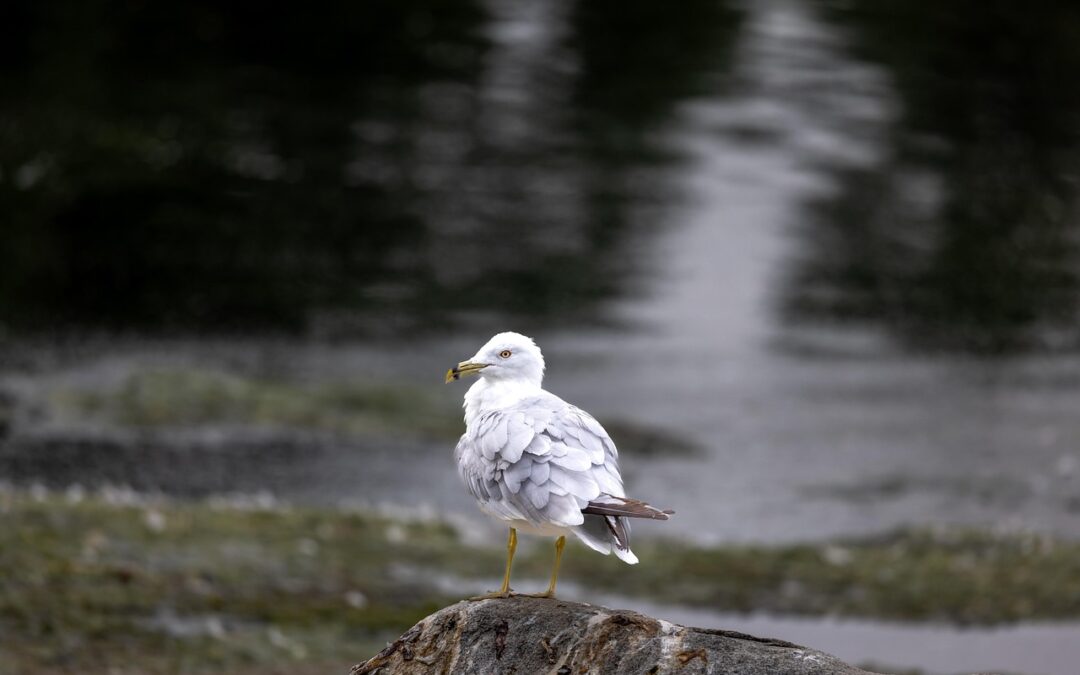
Why Branches of the US Military for River wildlife sightings and Tips & Guides?
River wildlife sightings for Branches of the US Military
Here are a few options, playing with different levels of casualness:
Option 1 (Friendly & Direct):
“Rivers are packed with awesome animals! You’ve got graceful herons, playful otters, and turtles just chilling in the sun – all waiting for you to discover them. But honestly, even more important than any gear, being patient and quiet is super key. It’s essential for ethical and successful wildlife viewing, making sure you don’t scare off the very critters you’re hoping to see.
When and Where to Find River Animals
Timing and knowing where to look? That’s half the battle when you’re trying to spot river wildlife.
Overhanging Branches and Bushes
Trees and bushes hanging over the water are like prime real estate. They give animals cover, nesting spots, and great perches for birds looking for a snack.
We’ll break down why rivers are such wildlife magnets, what handy gear you might want (like binoculars!), and the best times and spots to find these amazing creatures.”
Option 2 (Slightly more informal, almost conversational):
“Rivers are teeming with cool critters! Think graceful herons, otters goofing around, and turtles just soaking up the sun. They’re all there, just waiting for you to find ’em. Forget fancy gear for a second – patience and quiet are everything. Seriously, they’re an absolute must if you want to see these animals without totally freaking them out!
How to Spot River Animals: When & Where
Timing and location? Totally crucial when you’re trying to find river wildlife.
Branches & Bushes Hanging Over the Water
These are major hotspots! Trees and bushes that dangle into the water offer shelter, cozy nesting spots, and perfect perches for birds to snag fish or bugs.
We’re gonna show you why rivers are wildlife central, what gear comes in handy (like binoculars, hint hint!), and the best times and places to scope out the scene.”
Key changes made:
- Contractions: “You’ve got,” “it’s,” “we’ll,” “gonna”
- Simpler vocabulary: “packed with,” “chilling in the sun,” “super key,” “critters,” “freaking them out,” “half the battle,” “prime real estate,” “snag fish or bugs,” “wildlife magnets,” “scope out the scene.”
- Direct address: “you’ve got,” “you don’t want to,” “hint hint”
- Shorter sentences: Breaking down longer clauses.
- More active/energetic phrasing: “goofing around,” “teeming with.”
- Exclamations/Emphasis: “super key,” “everything.”
- Rephrased headings: “When and Where to Find ‘Em,” “How to Spot River Animals: When & Where.”
“`html
<article>
    <header>
        <h1>Your Ultimate Guide to Spotting Amazing River Wildlife!</h1>
    </header>

    <section id="fast-pass-summary">
        <h2>Your Fast Pass to River Wonders</h2>
        <p>
            Want to see cool animals by the river? This guide has you covered! We'll show you why rivers are wildlife hotspots, what gear you might need (like binoculars!), and the best times and places to look. You'll also learn important safety tips for watching animals and how to identify common river creatures. Get ready for an adventure – your local river is waiting!
        </p>
    </section>

    <main>
        <section id="river-wonderland">
            <h2>Dive into the Wild World of Rivers!</h2>
            <p>
                Rivers aren't just for boating or fishing; they're bustling highways and homes for countless animals! If you've ever wondered how to get a peek at the hidden lives of river creatures, you're in the right place. This guide will give you easy-to-follow <a href="#tips-and-tricks">tips and tricks</a> to improve your chances of amazing <a href="#wildlife-spotting">river wildlife sightings</a>. Get ready to become a super spotter and discover the magic right in your backyard!
            </p>
        </section>

        <section id="why-rivers-are-hotspots">
            <h2>Why Rivers Are Wildlife Hotspots</h2>
            <p>
                Think about it: water is essential for life! Rivers provide everything animals need: fresh drinking water, yummy food (like fish, bugs, and plants), and safe places to live, hide, and raise their babies. From tiny insects to big birds and mammals, a river offers a perfect buffet and a cozy home. This makes rivers one of the best places for <a href="#river-animal-watching">river animal watching</a>. Knowing this secret helps you understand *why* you're likely to find so much activity there.
            </p>
        </section>

        <section id="your-spotting-toolkit">
            <h2>Your River Wildlife Spotting Toolkit</h2>
            <p>
                You don't need a lot of fancy stuff to start, but a few items can really boost your <a href="#wildlife-viewing-experience">wildlife viewing experience</a>. This section covers what to bring and how to act to have the best chance of <a href="#finding-river-creatures">finding river creatures</a>.
            </p>

            <section id="essential-gear">
                <h3>Essential Gear for Your Adventure</h3>
                <ul>
                    <li><strong>Binoculars:</strong> These are your superpowers! They let you see far-away birds or shy animals without getting too close and scaring them. Look for a pair that's not too heavy.</li>
                    <li><strong>Notebook and Pencil:</strong> Jot down what you see! When, where, and what the animal was doing. This helps you remember and learn.</li>
                    <li><strong>Field Guide:</strong> A small book about local birds, mammals, or reptiles can help you identify what you've spotted. Many apps do this now too!</li>
                    <li><strong>Water Bottle & Snacks:</strong> Watching wildlife takes time. Stay hydrated and fueled up!</li>
                    <li><strong>Comfortable Shoes & Clothes:</strong> You might be walking a bit or sitting still. Dress for the weather and choose clothes that blend in with nature (earth tones are best).</li>
                </ul>
            </section>

            <section id="patience-and-quiet">
                <h3>Patience and Quiet: Your Best Tools</h3>
                <p>
                    Animals are shy. They have super hearing and smell, and they'll dart away if they sense danger. To get great <a href="#river-wildlife-sightings">river wildlife sightings</a>:
                </p>
                <ul>
                    <li><strong>Be Quiet:</strong> Walk softly, talk in whispers (or not at all!), and avoid sudden movements.</li>
                    <li><strong>Be Patient:</strong> Don't expect to see something right away. Find a good spot, sit still, and let the animals get used to your presence. Sometimes, the longer you wait, the more amazing things you'll see!</li>
                    <li><strong>Observe from a Distance:</strong> Use your binoculars! Never try to chase or touch wild animals. This keeps both you and them safe.</li>
                </ul>
            </section>
        </section>

        <section id="when-and-where-to-look">
            <h2>When and Where to Look for River Animals</h2>
            <p>
                Timing and location are everything when you're trying to <a href="#spot-river-wildlife">spot river wildlife</a>. Knowing the best times and places will give you a big advantage!
            </p>

            <section id="best-times-of-day">
                <h3>Best Times of Day for Sightings</h3>
                <p>
                    Just like people, many animals have peak activity times.
                </p>
                <ul>
                    <li><strong>Early Morning (Sunrise to about 9 AM):</strong> This is prime time! Many animals are waking up, looking for breakfast, and enjoying the cool air before the day gets too hot. Birds are singing, and mammals like deer or raccoons might be heading back to their dens. This is a great time for <a href="#early-morning-wildlife-watching">early morning wildlife watching</a>.</li>
                    <li><strong>Late Afternoon/Early Evening (2 hours before Sunset):</strong> As the day cools down, animals become active again, looking for a last meal before settling down for the night. You might spot beavers, muskrats, or nocturnal animals starting to stir.</li>
                </ul>
                <p>
                    Mid-day can be quiet, especially on hot days, as many animals rest to conserve energy.
                </p>
            </section>

            <section id="prime-locations">
                <h3>Prime Locations Along the River</h3>
                <p>
                    Not all parts of a river are equally good for <a href="#finding-animals-near-water">finding animals near water</a>. Focus on these spots:
                </p>
                <section id="riverbanks-edges">
                    <h4>Riverbanks and Water Edges</h4>
                    <p>
                        Many animals come to the river's edge to drink, hunt for food, or cross. Look for tracks in the mud! This is where you might see turtles basking, frogs hopping, or birds wading.
                    </p>
                </section>
                <section id="overhanging-branches">
                    <h4>Overhanging Branches and Bushes</h4>
                    <p>
                        Trees and bushes that hang over the water offer shelter, nesting spots, and perches for birds to hunt fish or insects. Keep an eye out for nests or quick movements in the leaves.
                    </p>
                </section>
                <section id="muddy-shores-sandbars">
                    <h4>Muddy Shores and Sandbars</h4>
                    <p>
                        These areas are fantastic for finding animal tracks. Look for the paw prints of raccoons, otters, or even deer that have come down to the water. Birds like sandpipers love to forage here.
                    </p>
                </section>
            </section>
        </section>

        <section id="safety-first">
            <h2>Safety First: Important Tips for Your Adventure</h2>
            <p>
                While <a href="#river-wildlife-sightings">river wildlife sightings</a> are exciting, it's crucial to stay safe and respect the animals' homes.
            </p>

            <section id="staying-safe-around-water">
                <h3>Staying Safe Around Water</h3>
                <ul>
                    <li><strong>Go with a Buddy:</strong> It's always safer to explore with a friend or family member.</li>
                    <li><strong>Tell Someone Where You're Going:</strong> Let an adult know your plans and when you expect to be back.</li>
                    <li><strong>Be Aware of Your Surroundings:</strong> Watch your footing, especially near slippery banks. Avoid getting too close to the water's edge.</li>
                    <li><strong>Know the Weather:</strong> Check the forecast before you go. A sudden storm can make riverbanks dangerous.</li>
                </ul>
            </section>

            <section id="respecting-wildlife">
                <h3>Respecting Wildlife and Their Home</h3>
                <p>
                    This is super important for <a href="#ethical-wildlife-observation">ethical wildlife observation</a>.
                </p>
                <ul>
                    <li><strong>Never Feed Animals:</strong> Feeding wild animals can make them sick, change their natural behaviors, and make them dependent on humans.</li>
                    <li><strong>Keep Your Distance:</strong> Use your binoculars! Getting too close can scare animals, make them aggressive, or separate parents from their young.</li>
                    <li><strong>Leave No Trace:</strong> Pack out everything you pack in. Don't leave trash behind. This keeps the river clean for animals and other people.</li>
                    <li><strong>Do Not Disturb:</strong> Avoid touching nests, disturbing burrows, or chasing animals. Let them be wild!</li>
                </ul>
            </section>
        </section>

        <section id="identifying-your-finds">
            <h2>Identifying Your Amazing Finds</h2>
            <p>
                Once you start seeing animals, you'll want to know what they are! Here are some <a href="#common-river-animals">common river animals to spot</a>. Use your field guide or app to learn more!
            </p>

            <section id="common-river-animals">
                <h3>Common River Animals to Spot</h3>
                <ul>
                    <li><strong>Birds:</strong>
                        <ul>
                            <li><strong>Ducks & Geese:</strong> Look for them swimming, dabbling for food, or flying overhead.</li>
                            <li><strong>Herons & Egrets:</strong> Tall, elegant birds often stand perfectly still at the water's edge, waiting to catch fish or frogs.</li>
                            <li><strong>Kingfishers:</strong> Small, fast birds with shaggy crests, known for diving headfirst into the water to catch fish.</li>
                            <li><strong>Ospreys & Eagles:</strong> Large birds of prey often found near rivers, especially Ospreys that hunt fish.</li>
                        </ul>
                    </li>
                    <li><strong>Mammals:</strong>
                        <ul>
                            <li><strong>Otters:</strong> Playful, sleek creatures that swim and dive. Look for them near banks or playing in the water.</li>
                            <li><strong>Beavers:</strong> Nature's engineers! Look for their lodges (dome-shaped homes made of sticks and mud) and chewed trees. They are most active at dawn and dusk.</li>
                            <li><strong>Muskrats:</strong> Smaller than beavers, they look like big rats but are expert swimmers and can be seen building small huts or tunnels.</li>
                            <li><strong>Raccoons:</strong> Often seen at night, but sometimes near rivers during the day, looking for food in the mud.</li>
                        </ul>
                    </li>
                    <li><strong>Reptiles & Amphibians:</strong>
                        <ul>
                            <li><strong>Turtles:</strong> Look for them basking on logs, rocks, or riverbanks on sunny days.</li>
                            <li><strong>Frogs & Toads:</strong> Listen for their croaking! You might see them near the water's edge or hiding among plants.</li>
                            <li><strong>Snakes:</strong> Some non-venomous water snakes live near rivers; admire them from a distance.</li>
                        </ul>
                    </li>
                </ul>
            </section>
        </section>
    </main>

    <section id="expansive-summary">
        <h2>Your River Wildlife Adventure: A Grand Summary!</h2>
        <p>
            Embarking on a <a href="#river-wildlife-spotting-adventure">river wildlife spotting adventure</a> is an incredibly rewarding experience, offering a unique window into the natural world that thrives along waterways. We started by exploring why rivers are such incredible magnets for life, explaining how they provide vital resources like food, water, and shelter for a diverse array of creatures. Understanding this fundamental concept is the first step in knowing where and how to look. To truly enhance your <a href="#river-animal-observations">river animal observations</a>, assembling a simple toolkit is key. Items such as binoculars act as your "superpower" for viewing distant animals without disturbing them, while a notebook and field guide become valuable companions for documenting and identifying your amazing finds. More important than any gear, however, are the virtues of patience and quiet, which are absolutely essential for ethical and successful <a href="#wildlife-viewing-tips">wildlife viewing tips</a>, ensuring you don't scare off the very animals you hope to see.
        </p>
        <p>
            Knowing the optimal times and places to search dramatically increases your chances of successful <a href="#wildlife-sightings">wildlife sightings</a>. We learned that the magical hours of early morning and late afternoon are when most animals are most active, seeking food or returning to their dens. Furthermore, focusing your search on prime locations like muddy riverbanks, sandbars, and areas with overhanging branches can reveal a wealth of activity and tell-tale signs like animal tracks. As you venture out, remember that safety is paramount. Always explore with a buddy, let someone know your plans, and be mindful of your surroundings, especially near slippery water edges. Equally important is respecting the wildlife itself: never feed animals, maintain a safe distance, and always practice "Leave No Trace" principles to protect their natural habitat. Finally, identifying the creatures you encounter adds another layer of excitement to your adventure. From the graceful flight of herons to the playful antics of otters and the quiet basking of turtles, rivers are home to many fascinating animals, each waiting to be discovered. By applying these <a href="#easy-wildlife-spotting-tips">easy wildlife spotting tips</a>, you're not just observing; you're connecting with the vibrant life that flows with every river, making each outing a memorable journey of discovery.
        </p>
    </section>

</article>
“`
More on River wildlife sightings…
- Here is an exhaustive list of SEO keywords related to ‘River wildlife sightings’ and ‘Tips & Guides’, one per line:
- river wildlife
- river animals
- freshwater wildlife
- riparian wildlife
- river ecosystem wildlife
- river wildlife sightings
- spotting river wildlife
- finding river animals
- observing river creatures
- identifying river wildlife
- viewing river wildlife
- photographing river wildlife
- tracking river animals
- where to see river wildlife
- best places for river wildlife
- river wildlife hotspots
- local river wildlife
- nearby river wildlife
- urban river wildlife
- wild river wildlife
- remote river wildlife
- spring river wildlife
- summer river wildlife
- autumn river wildlife
- winter river wildlife
- seasonal river wildlife sightings
- river wildlife spotting tips
- guide to identifying river animals
- best tips for river wildlife photography
- how to find river wildlife
- river wildlife viewing guide
- ethical river wildlife viewing tips
- beginner’s guide to river wildlife
- expert tips for river wildlife
- what to bring for river wildlife watching
- safety tips river wildlife
- when to see river animals
- best time for river wildlife sightings
- where to spot river animals
- habitat for river wildlife
- tracks and signs river animals
- river bird identification guide
- river mammal identification guide
- river reptile identification
- river amphibian identification
- river fish identification
- sound identification river wildlife
- conservation tips river wildlife
- eco-friendly river wildlife viewing
- wildlife tracking river banks
- family river wildlife watching
- kids river wildlife guide
- binoculars for river wildlife
- camera for river wildlife
- best lenses river wildlife photography
- avoiding disturbing river wildlife
- how to get close to river wildlife
- river wildlife checklist
- river animal facts
- common river wildlife
- rare river wildlife
- endangered river wildlife
- invasive river species identification
- otter sightings river
- beaver spotting river
- mink sightings river
- muskrat spotting river
- raccoon river activity
- deer near river
- bear river sightings
- fox river banks
- bobcat river habitat
- moose river
- elk river
- vole river
- shrew river
- bat river
- kingfisher watching river
- heron identification river
- egret river
- duck identification river
- goose river
- swan river
- raptor river (eagle, osprey, hawk)
- sandpiper river
- plover river
- dipper river
- wagtail river
- owl river habitat
- warbler river
- cormorant river
- merganser river
- grebe river
- river waterfowl guide
- freshwater birdwatching
- trout spotting river
- salmon viewing river
- bass fishing river
- pike river
- catfish river
- carp river
- minnow river
- perch river
- char river
- freshwater turtle spotting
- water snake identification
- river frog identification
- river toad identification
- salamander river
- dragonfly identification river
- damselfly identification river
- mayfly river
- caddisfly river
- stonefly river
- water beetle river
- insect river identification
- river insect guide
- what animals live in rivers
- how to identify river birds
- best time of day to see river otters
- river wildlife photography tips for beginners
- where to find beavers on a river
- guide to safe river wildlife viewing
- essential gear for river wildlife spotting
- river wildlife identification app
- downloadable river wildlife guide
- river wildlife education
- wildlife interpretation river
- impact of pollution on river wildlife
- how to protect river wildlife
- citizen science river wildlife
- river wildlife photography course
- best season for river birdwatching
- how to approach river animals
- signs of river otter presence
- beaver dam spotting tips
- identifying tracks along rivers
- river wildlife sound guide
- understanding river ecosystems
- river wildlife conservation efforts
- respecting river habitats
- wildlife migration river
- nocturnal river animals
- daytime river wildlife
- river predator identification
- river prey animals
- animal behavior river
- river wildlife cam
- remote river wildlife observation
- urban river wildlife challenges
- river wildlife for kids
- river wildlife activities
- river wildlife adventures
- river wildlife excursions
- river wildlife tours
- river wildlife expeditions
- river wildlife holidays
- eco-tourism river wildlife
- sustainable river wildlife viewing

Subscribe To Our Newsletter
Join our mailing list to receive the latest news and updates from our team.
Be among the first to learn about our latest adventures and upcoming excursions!
You have Successfully Subscribed!